

Where the key lands: giving the little things at home their place
The evening starts at the door. Where keys, post and phone should land, and which leather tray suits which spot in your home.
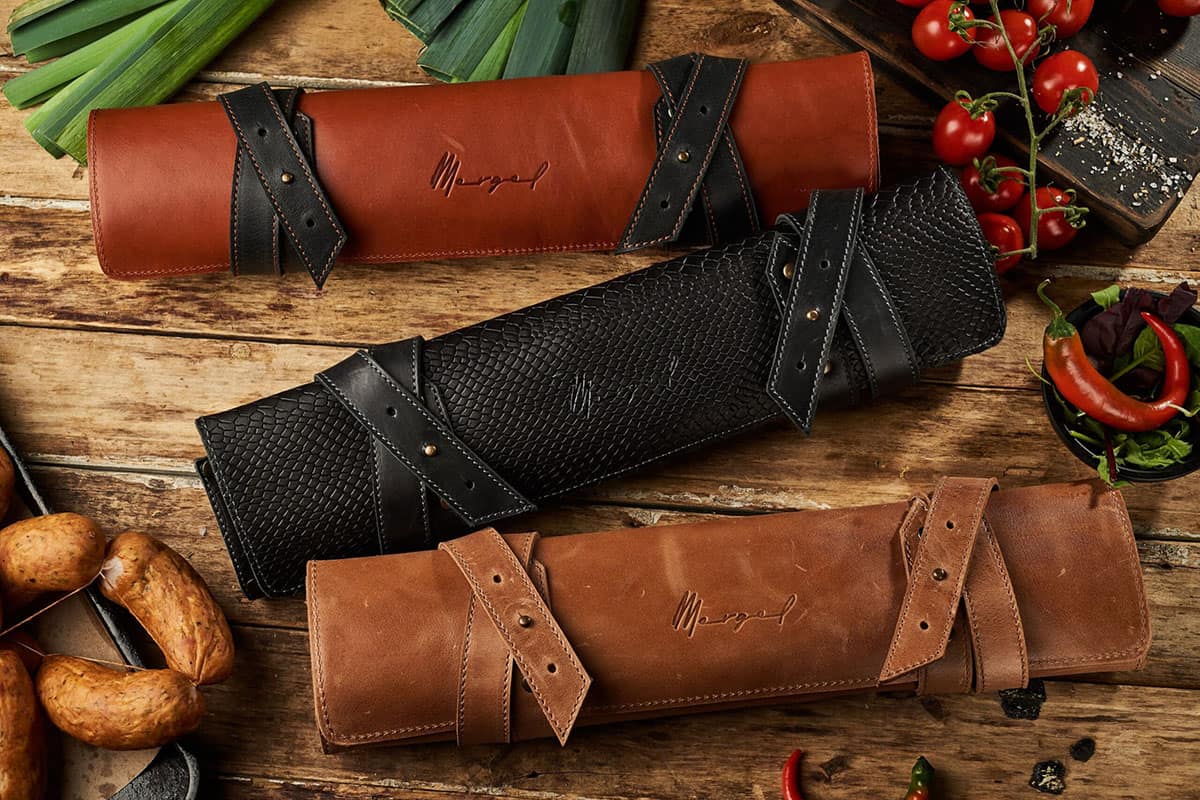
Leather is above all a natural material that careful finishing turns into a long-lasting product. Chemical and mechanical processing gives the original animal hide new, precisely defined properties. The tanner shapes these properties through many steps in the production process, depending on what the leather will be used for. Tanners also protect animals, if only indirectly, because they want healthy, undamaged hides, and they get them when livestock is kept in a way that suits the species. When people talk about leather, they immediately think of car seats and motorcycle boots. But these can also be made of leather: wallets, belts, shoes, riding equipment, dog accessories, bracelets and necklaces, orthopaedic products, technical seals, book bindings, accessories, long aprons, short aprons, knife rolls, beer carriers and more.
Of course. They all need care to look good and last as long as possible. How do you keep leather beautiful, fine and above all usable? All leather products get dirty over time. Dust and coarse dirt clog the pores of the leather and stop this natural product from “breathing”. Gloves and shoes come into direct contact with dirt. Bags are put down on dirty floors. Furniture and car seats get dirty after a while. Industrial bellows protect against dust and dirt, and need cleaning themselves.

To clean leather, use brushes, damp cloths or, depending on how dirty it is, special cleaning products. Try any care product first on a spot that doesn’t show. For heavy dirt, it is best to dampen a cotton cloth and remove the dirt with light pressure and circular movements. Demineralised water and plain soap work wonders on leather, and you can repeat the process several times. Many care products are available in shops. Always read the instructions carefully, as colour fastness isn’t always guaranteed. And when touching up colour, only ever treat the affected areas.
With the right care, long and short aprons in smooth leather keep their smooth shape for a long time. For stains, splashes or grease, simply wipe with a damp cloth. Thanks to the quality of the leather, dirt doesn’t penetrate the fibres. For stubborn stains you can also use a leather cleaner. To avoid ugly marks, never clean with a cloth that is too wet.

Every leather product dries out, and it needs moisture, especially if it is exposed to sun, wind and weather. Sooner or later leather changes colour, becoming paler and duller. In these cases, experts recommend leather oils to restore its natural moisture. To refresh the colour, use liquid creams with colour pigments. For regular care and to prevent drying out, treat the cleaned product with leather oils, which is known as conditioning. Oil the leather all over, then let it dry naturally. You can rub leather aprons regularly with leather grease, for example, to keep them smooth and shiny. You can carefully steam out creases, scratches and folds with a cloth and gentle heat.

In autumn, leather clothing such as jackets and motorcycle gear is often put away. To protect these clothes from mould or even rot, air them properly. Air naturally flows through leather and lets moisture evaporate. If we store our leather things tightly wrapped in plastic covers or packages, the material suffocates. Leather should be kept somewhere dry and natural, never in plastic. So never store or transport leather goods tightly sealed. It is best to keep them in a special leather bag or wrap them in a breathable material, such as a pillowcase.
Embossed leather is leather with a pattern pressed into one side. The natural grain of the hide is lost in this process and a new, decorative surface is created. Embossed leather is often used for clothing and furniture. Clean it like any other leather, with a damp cloth and plain soap. For stubborn cases you can also use a cleaning foam. For care and protection, use wax sprays or waterproofing products. Care products shouldn’t make embossed leather softer. The aim is to keep or restore its natural moisture.
Shrunken leather is often made with strong heat and drying to create products that hold their shape, such as car back seats. The advantage is that stability. The disadvantage is that the leather tends to become brittle and crack. You can prevent this by using moisturising oils or greases. Leather once shrunk by heat can’t be returned to its original shape, but the right care products can influence its moisture and hardness, softening the hardened areas to prevent cracks.
Heavy greasing used to be considered good leather care. By the time its harmful effects showed, shoes or saddles had already reached the end of their lives, so the benefits outweighed the harm. Leather care then was mainly for saddles and shoes, which above all had to withstand the weather. Leather furniture only came into fashion later.

Today’s furniture leather can’t be compared with the vegetable-tanned saddle and shoe leathers of the past. It is incredibly varied, differing in tanning, finishing, processing and much else. Above all, most furniture leathers are thin and lightly to heavily pigmented, which means they are coated with a layer of colour. If you rub them with leather cream or other greases, the grease can’t penetrate, because the pores are covered with colour. The grease stays on the surface as a slightly greasy film and tends to end up on your clothes.
Follow our tips and you can pass your leather goods on to the next generation with a clear conscience.
0 comments

