

Where the key lands: giving the little things at home their place
The evening starts at the door. Where keys, post and phone should land, and which leather tray suits which spot in your home.
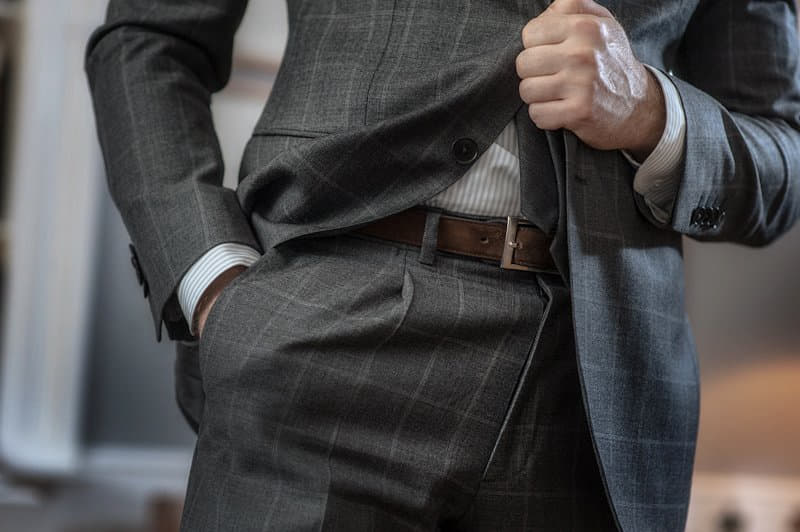
Today there is a huge choice of belts, so anyone on any budget can find a stylish accessory. But how is a leather belt actually made? In this article we look at the finer points of the work.
A lot depends on the raw materials. Even if a belt looks flawless, cheap material greatly affects how long it lasts and, of course, what it costs.
Pigskin is the cheapest. It looks quite respectable but unfortunately doesn’t last, and it is often used for the back of a belt. As the main material, craftspeople prefer calfskin, one of the most widely used leathers: it is fairly durable and looks good in any design.
Goatskin is also highly valued for leather belts. Products made from it must be worn with care to avoid damage. Very beautiful belts are also made from ostrich, iguana, shark or python leather, but they cost much more than ordinary belts.
A good belt factory needs special equipment to make quality goods in sufficient volume to compete on the market.
It is also worth choosing a good gluing machine that bonds the layers of the belt well, because the strength and durability of the product depend on it.

The most sought-after belts, however, are those made by hand in a leather workshop. They are carefully cut, finished and sewn. This takes a high level of skill and is very slow, since one belt can take several days to make. This is how expensive, exclusive leather belts for men and women are made.
Let’s look at the process more closely. The finished accessory has three layers: a top and a back of leather, and a lining in the middle. Makers often leave out the middle layer. But for a high-quality, expensive product, all three layers should be leather. A belt like this will serve its owner for a very long time.
The three layers are usually glued or sewn together, but there is another option: they are carefully glued and then also sewn, which makes the belt very strong. After that, skilled makers can add various embossed patterns.
Finally, exclusive, expensive belts are made entirely by hand from a single piece of leather (also called “full leather”). There are no layers, which makes the belt as durable as it can be.
A high-quality handmade belt is made from a whole hide, is vegetable-tanned and is 3 to 4 mm thick. The material is cut from the back of the animal, the part of the hide that stretches least.
The colour is applied by hand so that it penetrates the leather, which guarantees a high-quality, lasting finish. The buckle is made of metal, which is secure, durable and beautiful.

Handmade belts stand out for:
These belts keep their shape and can develop a vintage sheen over time, typical of naturally tanned leather.
Real leather can lose its shape with constant wear, especially belts worn with jeans. So first of all, let your belt “rest” by rolling it into a ring and putting it in a box.
Leather belts go through a process called fatliquoring, in which the layers of leather that lost moisture during tanning and drying are filled with fats or special oils. If this was done properly, the leather only needs refreshing.
To look after a leather belt, use special products that stop the leather drying out and becoming stiff. If the surface has dried out, clean, wipe and dry the leather, then apply a beeswax cream or an ordinary hand or face cream.
You can also use coconut oil, rubbing it gently into the belt with your fingertips, to get a rich, dark colour.
0 comments

