

Where the key lands: giving the little things at home their place
The evening starts at the door. Where keys, post and phone should land, and which leather tray suits which spot in your home.
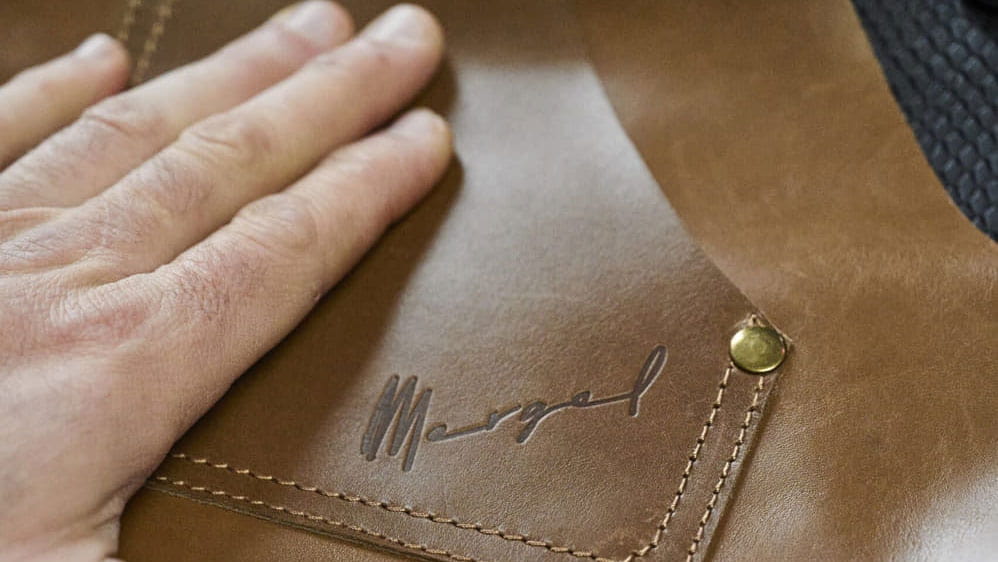
Craftsmanship, the quality of the material and the right leather cleaner all directly affect how a product looks, works and lasts. When people talk about leather, they immediately think of car seats and motorcycle boots. But many other things are made of it too: wallets, belts, shoes, dog accessories, bracelets and collars, orthopaedic products, book covers, accessories, BBQ aprons, knife rolls, beer carriers and more. Each product needs its own care and cleaning, because leather comes in so many forms. This article tells you how to clean and store leather goods properly, and what to avoid.
Leather is a natural material that careful finishing turns into a long-lasting, useful product. The original animal hide gets new, precisely defined properties through chemical and mechanical treatment, and the tanner shapes these properties deliberately. Tanners also protect animals, if only indirectly, because they want healthy, undamaged hides, and they get them when animals are kept in a way that suits the species.

Smooth leather is used for functional clothing, accessories and of course furniture. It comes mainly from calves, cattle or pigs. There are two main types:

Suede is an animal hide treated by oil tanning. It has a short, dense nap and feels pleasant to the touch. Despite its many advantages, it has one big drawback: the surface isn’t water-repellent. Suede shoes should really only be worn in dry weather. Since anyone can be caught in sudden rain or snow, start with this simple advice: before wearing it for the first time, treat the item with a water-repellent product. This also gives extra protection against deep-seated dirt. Nubuck is a fine-napped leather whose top side has been sanded, giving a rough, velvety surface that is smoother than suede. It is popular for quality fashion shoes and similar products because it looks very elegant, is comfortable and lasts a long time. Nubuck isn’t water-repellent either, so treat it with a waterproofing spray before first use.
Patent leather is glossy leather coated with lacquer. It is a popular material for clothing, hats, accessories and shoes, and it makes a striking statement. Despite its mirror-like surface it needs no special care and keeps its looks for many years. Just avoid extreme conditions such as sudden temperature changes, avoid mechanical damage and keep it away from dyes.

Leather care starts with one basic rule: regular, gentle care is better than occasional heavy care. To make leather goods last as long as possible, regularly remove dust and dirt, treat them with care products and store them in the right conditions. Today there is a huge choice of special products on the market: brushes, cloths, sprays, creams, milks and more. Often, though, simple home remedies will do. We recommend going to a professional if an item is badly soiled or damaged.
Natural leather is a fine, hard-wearing and long-lasting material, but it needs looking after. Cleaning and storing smooth leather is usually quite simple. In autumn, leather clothing such as jackets and motorcycle gear is often put away. To protect these clothes from mould or even rot, the leather needs good ventilation. Air naturally passes through leather and lets moisture evaporate. If leather goods are tightly packed in plastic bags or parcels, the material suffocates. Store leather somewhere dry and natural, never in plastic. It is best to keep it in a special leather bag or wrap it in a breathable material.

Try any care product first on a spot that doesn’t show. For heavy dirt, dampen a cotton cloth and remove the dirt with light pressure and circular movements. Demineralised water and plain soap work wonders on leather, and you can repeat the process several times. With the right care, BBQ aprons, knife rolls and beer carriers in smooth leather stay smooth for a long time. Stains, splashes or grease come off easily with a damp cloth. Thanks to the quality of the leather, dirt doesn’t penetrate the fibres. Stubborn stains can also be removed with a leather cleaner. To avoid ugly marks, never clean with a cloth that is too wet.
Smooth leather dries out, so it needs moisture, especially when exposed to sun, wind and weather. In these cases, experts recommend leather oils to restore its natural moisture. Always spread the oil evenly, or marks can form. Leather aprons can be wiped regularly with a leather care product to keep them smooth and shiny for a long time. Creases, scratches and folds can be smoothed with a cloth and gentle heat. Apply any conditioner evenly.
Waterproofing products are among the most useful care products. Because suede is so delicate, experts strongly recommend using one. Apply it only to the areas most exposed to stains. Unlike smooth leather, suede and nubuck must not be treated with fats or oils, as this can destroy the texture and make the fibres stick together. It is generally better to clean this material only mechanically. As with smooth leather, store it in a dry, well-ventilated room, without plastic film or other airtight materials.

Suede must not be cleaned with water. If there is no other option, use a special suede cleaner. Remove dust and light dirt gently with a special soft leather brush. For stains, use a special brass brush or a suede eraser, which you can buy from specialist shops. Rub the stain thoroughly but carefully, so as not to damage the surface. To clean nubuck, use only products made for this type of leather. Remove dust and light dirt with a dry cloth or soft brush, then apply a care product. If your nubuck shoes get wet, dry them in a special dryer or stuff them with paper or newspaper. Don’t put them near a heater or fireplace, as hot air damages the material.
Rough leathers (nubuck, suede, velour) are tanned or unprotected leathers with a warm, natural surface. They discolour if you protect them from drying out with fats, oils or care lotions. For velour leather, we recommend a care spray with the right moisture level and UV protection, which protects the leather from fading and keeps it supple. With heavy use (sunlight, heat, frequent wear), treat the leather again after a year at the latest. Depending on use, warmth and light, it should be re-treated every 3 to 12 months.
The defining quality of this material is its shine. So it is a good idea to rub patent leather regularly with a suitable vegetable oil or with petroleum jelly, for example. Put a small amount on a cotton cloth, rub the item with it, then polish with a dry cloth. The more the leather is used, the more often it should be treated. Don’t clean patent accessories, shoes or clothes with hard brushes, which can damage the glossy surface. When choosing special care products, prefer those recommended for this type of leather.

Dust and light dirt can safely be removed with a dry or damp cloth, which can also be moistened with a mild cleaner. Since these products can’t be washed, regular, proper and gentle care is essential to keep them looking good and working well. To restore the shine and suppleness of patent leather, use a special cream, milk or oil.
The care for this type of leather is almost the same as above. Avoid sudden temperature changes and long exposure to the sun. Clean and moisturise the leather regularly with suitable products. Store it in a dry, airy room, because natural materials can go mouldy and spoil if kept in the wrong place for too long. To preserve the beautiful colour, avoid chemicals and other harsh cleaners.

All types of leather need different care and cleaning, and so do different products. Car seats and pot holders aren’t used in the same way, for example, so their care differs too. Let’s look at the most popular products:

Home remedies for cleaning leather have stood the test of time. They are made from things most people have to hand, and they can remove even stubborn dirt. It is still worth being careful and trying a small amount first on a spot that doesn’t show. Here are the most popular and tested home remedies:
Without knowing the types of leather and their properties, it is often hard to get things right. Here are the most common mistakes people make when cleaning, storing and caring for leather goods:

Whether you use home remedies or buy the right products from a specialist shop, both are good for your leather goods. The right mix of home and specialist products will keep your leather beautiful and hard-wearing for many years. Leather is tough, but without regular cleaning, care and proper storage it soon loses its special qualities and function. And leather care is really simple. This natural, pleasant material can change your look and also be a reliable helper around the home, whether as a tray in the kitchen or as a firewood basket in the living room. The uses of leather are incredibly varied.
0 comments

